The Compliance Blind Spot in Quoting and Contracting
07/31/2026
5 min read

1.5K
European business leaders surveyed on AI Act readiness
89%
of UK leaders report confidence in readiness
30%
of UK firms faced fines from regulatory changes
40%
reworked contract terms as rules shifted
The EU AI Act is raising the bar for how organisations govern AI across their commercial operations. Accuracy, transparency, and accountability are no longer optional. Yet many businesses are still figuring out exactly where AI sits within their systems.
To understand how prepared organisations currently feel, Conga gathered new insights from leaders across the UK, Germany and France. The findings point to strong confidence at a headline level yet also show where businesses lack visibility and control within their commercial workflows.
What Leaders Across Europe are Reporting
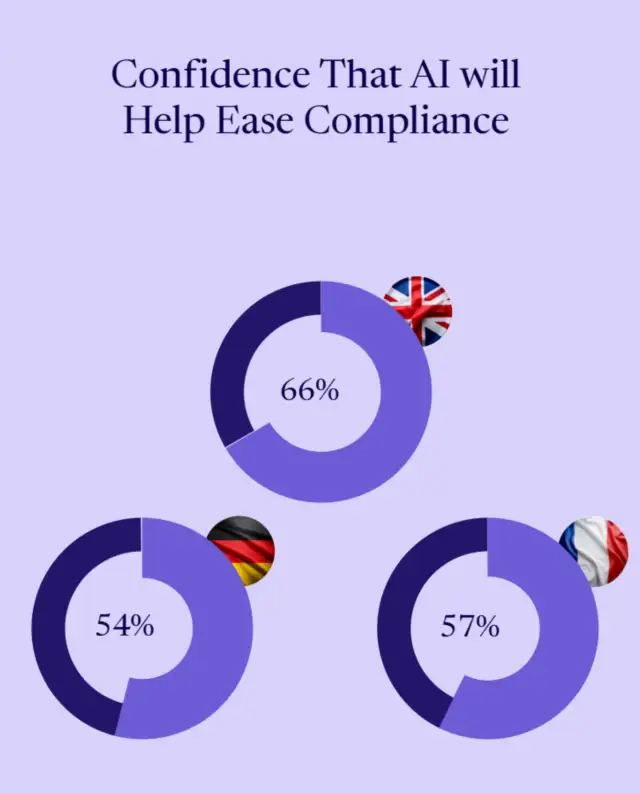
Conga’s survey of 1,500 business leaders across the UK, Germany and France reveals strong confidence in EU AI Act readiness. The UK reports the highest level at 89%, followed by Germany at 82% and France at 68%.
Confidence alone, however, does not reflect the pressures many organisations are navigating behind the scenes. In the UK, 30% of respondents say their organisation has faced fines or penalties linked to regulatory or tariff changes in the past year, and 40% have had to rework contract terms as those changes reached commercial agreements.
While Germany and France report fewer penalties, both markets are increasing compliance staffing as they update internal processes ahead of the EU AI Act.
How AI Shapes Commercial Workflows
AI already shapes CPQ (Configure, Price, Quote) and CLM (Contract Lifecycle Management) workflows more than most leaders realise. These systems guide how proposals are built, how prices are set and how obligations pass between parties.
When AI supports a recommendation or approval, organisations need to show how that decision was formed. This level of oversight becomes essential under the EU AI Act, especially as quoting and contracting sit within the high-risk category.
SVP EMEA at Conga, said: “Too many organisations still treat quoting and contracting as background administration, when in reality they decide how revenue is generated, how supply chains are managed and where regulatory exposure sits. As rules continue to tighten, these systems are fast becoming a test of how connected and transparent a business really is. Getting this right will decide which organisations can keep business moving under greater volatility, whether that's economic or regulatory, and which risk losing ground.”
Why Quoting and Contracting Matter Most
CPQ and CLM set the foundation for how teams manage revenue, obligations and risk. These workflows shape proposals, pricing and terms, which means any AI involved in these steps must be transparent and explainable.
Pressure builds when teams work from disconnected systems or when ownership is spread across multiple functions. These gaps weaken information flow between sales, legal and revenue teams as regulatory expectations rise.
Strengthening governance across these workflows helps reduce that exposure and supports more reliable decision-making.
Where to Start
As high-risk AI requirements move closer, organisations need a clearer view of where AI sits within CPQ and CLM and the documentation to show how each decision is formed. These workflows already carry significant influence over pricing, terms and obligations, so preparation relies on understanding how they operate today.
Many teams are still uncovering where automation shapes pricing, clause creation and approvals. Having a more complete picture helps businesses determine what will need to be recorded and governed under the Act.
Closer alignment across sales, legal and revenue operations then becomes important. Quoting and contracting often sit in separate systems, which means activity moves through different controls. When ownership is brought together, the path from proposal to contract becomes easier to follow and oversight is more consistent.
Strong data foundations support everything that follows. Information generated in CPQ flows directly into binding agreements, so any inconsistencies travel with it. Regular training, audits and system updates help keep this data reliable and help governance keeps pace with new requirements.
See the full findings
Conga’s whitepaper sets out the full survey results from the UK, Germany and France and outlines the practical steps teams can take to close compliance gaps before enforcement pressure builds. Read the full EU AI act whitepaper to learn more here.
Conga connects your entire commerce chain—from quoting to contracting—with the transparency and governance that today's regulatory environment demands.
Frequently Asked Questions
-
How prepared are European businesses for the EU AI Act?
Confidence is high at the headline level, but it doesn't tell the whole story. Conga's survey of 1,500 leaders across the UK, Germany, and France found readiness confidence at 89% in the UK, 82% in Germany, and 68% in France. Behind those numbers, 30% of UK respondents reported fines or penalties tied to regulatory or tariff changes in the past year, and 40% had to rework contract terms. Germany and France reported fewer penalties but are adding compliance staff ahead of enforcement.
-
How does AI already affect CPQ and CLM workflows?
More than most leaders realize. AI shapes how proposals are built, how prices are set, and how obligations move between parties in Configure, Price, Quote (CPQ) and Contract Lifecycle Management (CLM) systems. When AI supports a recommendation or approval, organizations need to be able to show how that decision was formed, which is exactly the kind of oversight the EU AI Act expects.
-
Why do quoting and contracting matter most for AI Act compliance?
Because they decide how revenue is generated, how obligations are set, and where regulatory exposure sits. CPQ and CLM workflows shape proposals, pricing, and terms, so any AI involved in those steps needs to be transparent and explainable. The risk grows when teams work from disconnected systems or when ownership is scattered across sales, legal, and finance, weakening the information flow right as regulatory pressure rises.
-
Where should organizations start preparing for the EU AI Act?
Begin with visibility. Map where AI already sits within your CPQ and CLM workflows, since many teams are still uncovering where automation shapes pricing, clause creation, and approvals. From there, align ownership across sales, legal, and revenue operations so the path from proposal to contract is easier to follow. Then shore up your data foundations, because information generated in CPQ flows directly into binding agreements, and any inconsistencies travel with it.
-
How does connected data support AI governance in commercial workflows?
When quoting and contracting sit in separate systems, activity passes through different controls, and gaps open up between teams. Connecting the commerce chain from quoting to contracting brings ownership together, makes decisions easier to trace, and keeps oversight consistent. Regular training, audits, and system updates help keep the underlying data reliable so governance can keep pace with new requirements.
Related Resources
-
How to Shorten Your Sales Cycle: Fix the Handoffs, Not the Hustle BlogAIHow to Shorten Your Sales Cycle: Fix the Handoffs, Not the Hustle
Learn how to shorten your sales cycle by removing the hidden friction between teams, pricing, approvals, contracting that stalls deals right when they should close.07/24/20269 min read -
Stop Guessing & Start Deciding: The Forrester Framework for Buy vs. Build Analyst ReportIndustry InsightsStop Guessing & Start Deciding: The Forrester Framework for Buy vs. Build
AI lowered the cost of building software. It didn't lower the cost of running it. Get the Forrester framework that helps you decide what to buy, build, or generate.07/22/20264 min read -
Only the Agile Thrive BlogIndustry InsightsOnly the Agile Thrive
Discover how business agility, AI, and connected data help companies respond faster to tariff disruptions, reduce risk, and make confident go‑to‑market decisions.07/22/20265 min read -
Why AI-Powered Pricing is Now a Business Necessity for Margin and Growth BlogAIWhy AI-Powered Pricing is Now a Business Necessity for Margin and Growth
Learn why AI pricing is becoming essential for businesses facing rising market volatility, increased pricing pressures, and growing need for agility.07/16/20267 min read